Quantum computing and Bitcoin

First published: August 2025. Updated: December 2025.

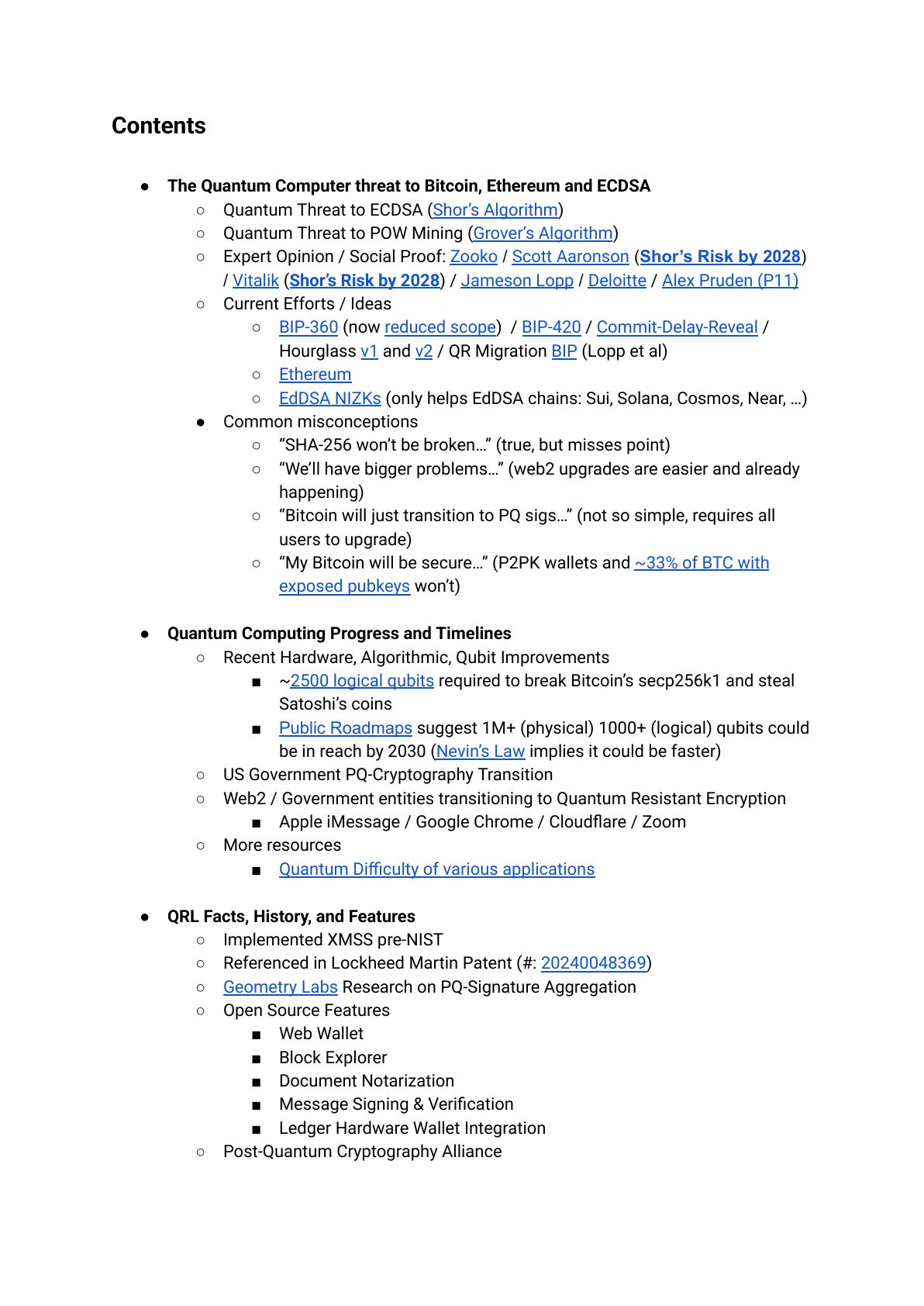
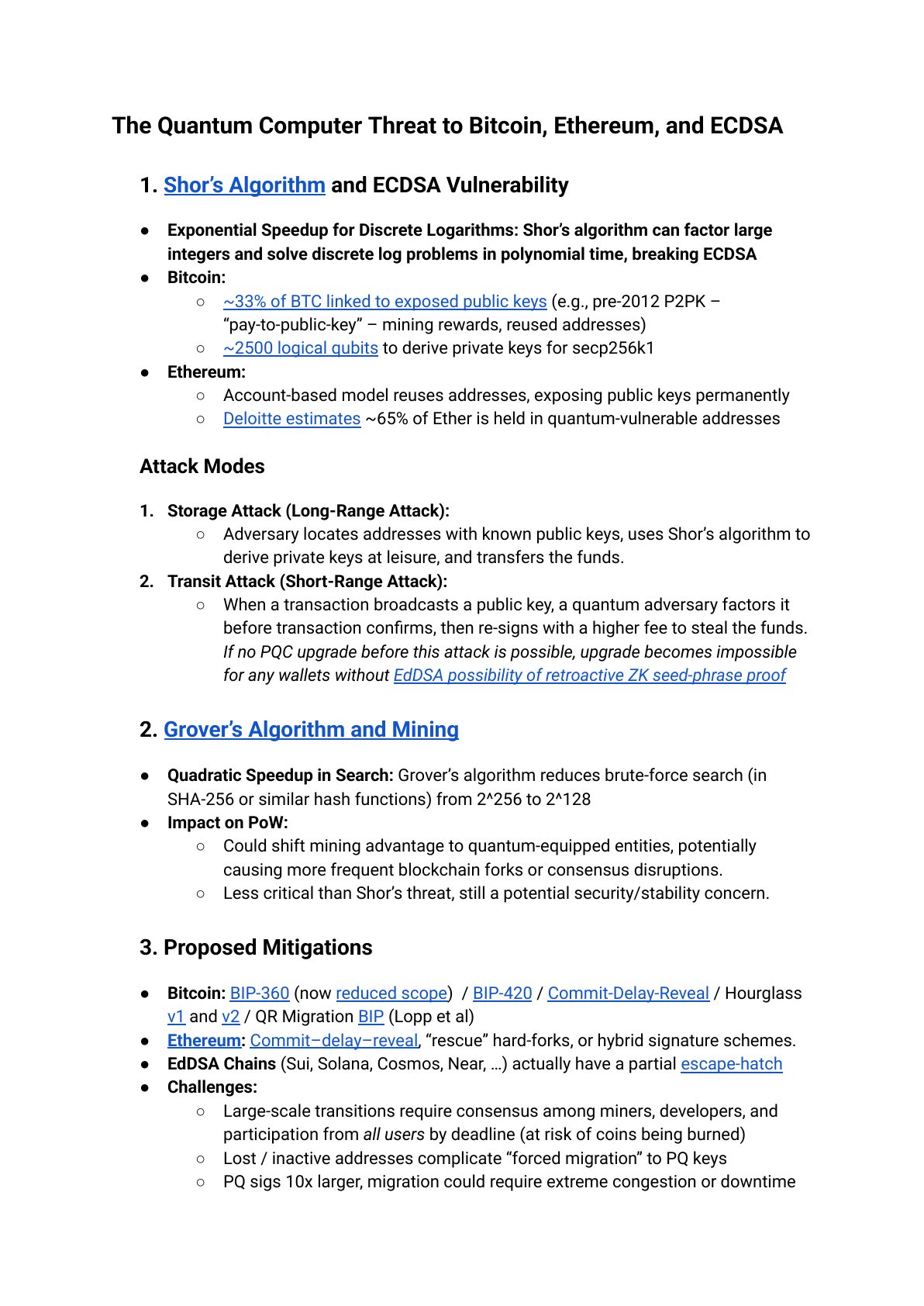
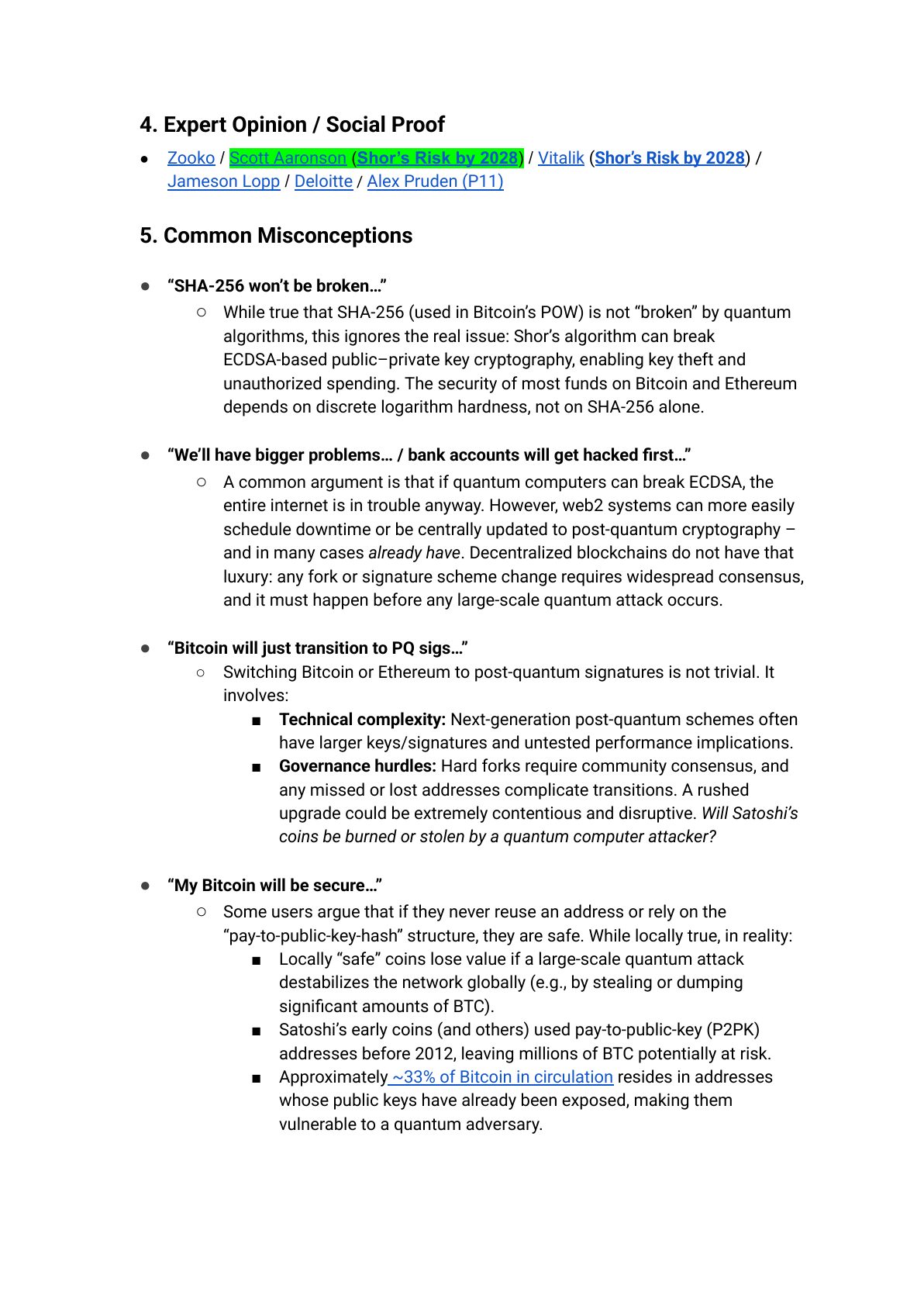
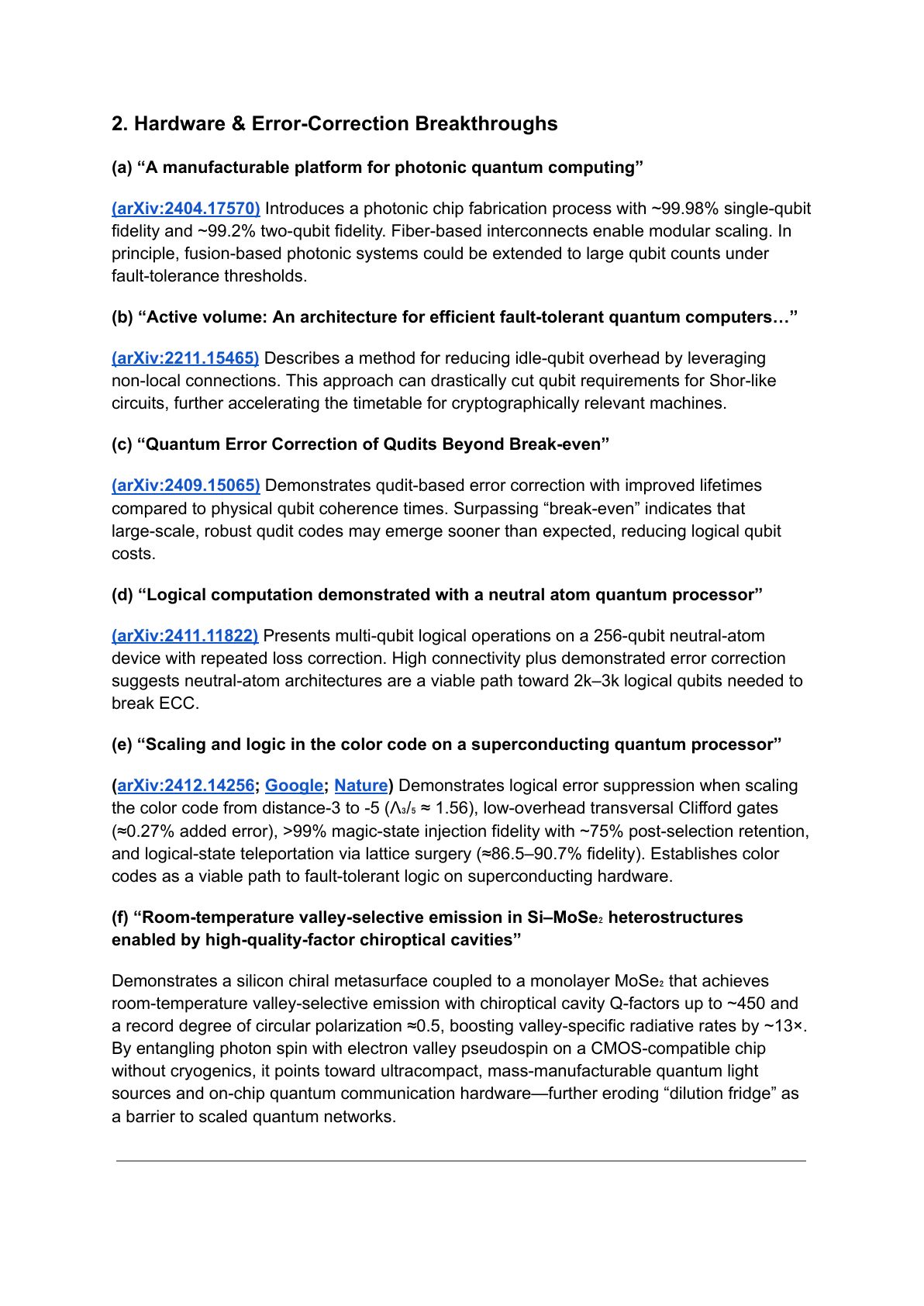
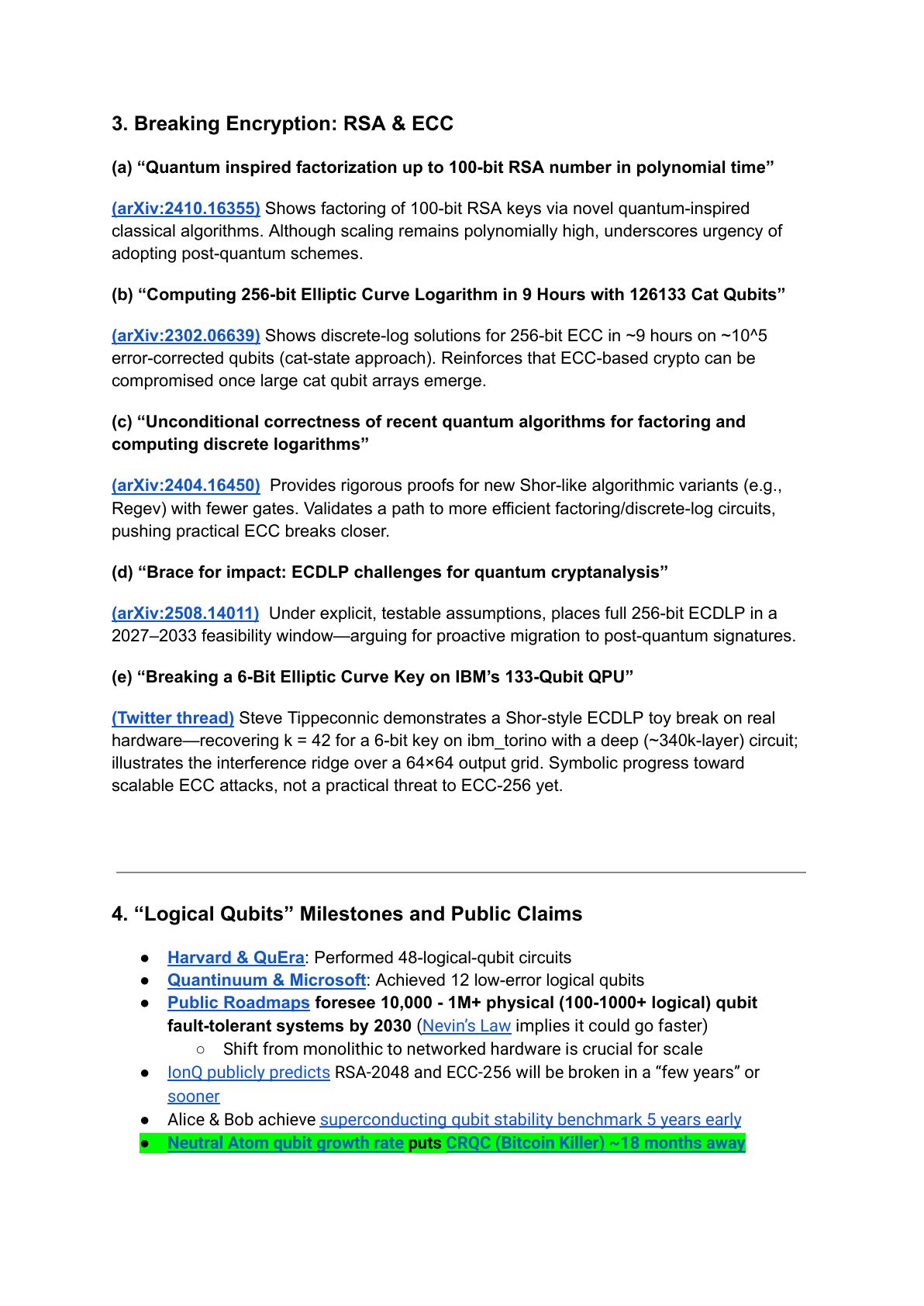
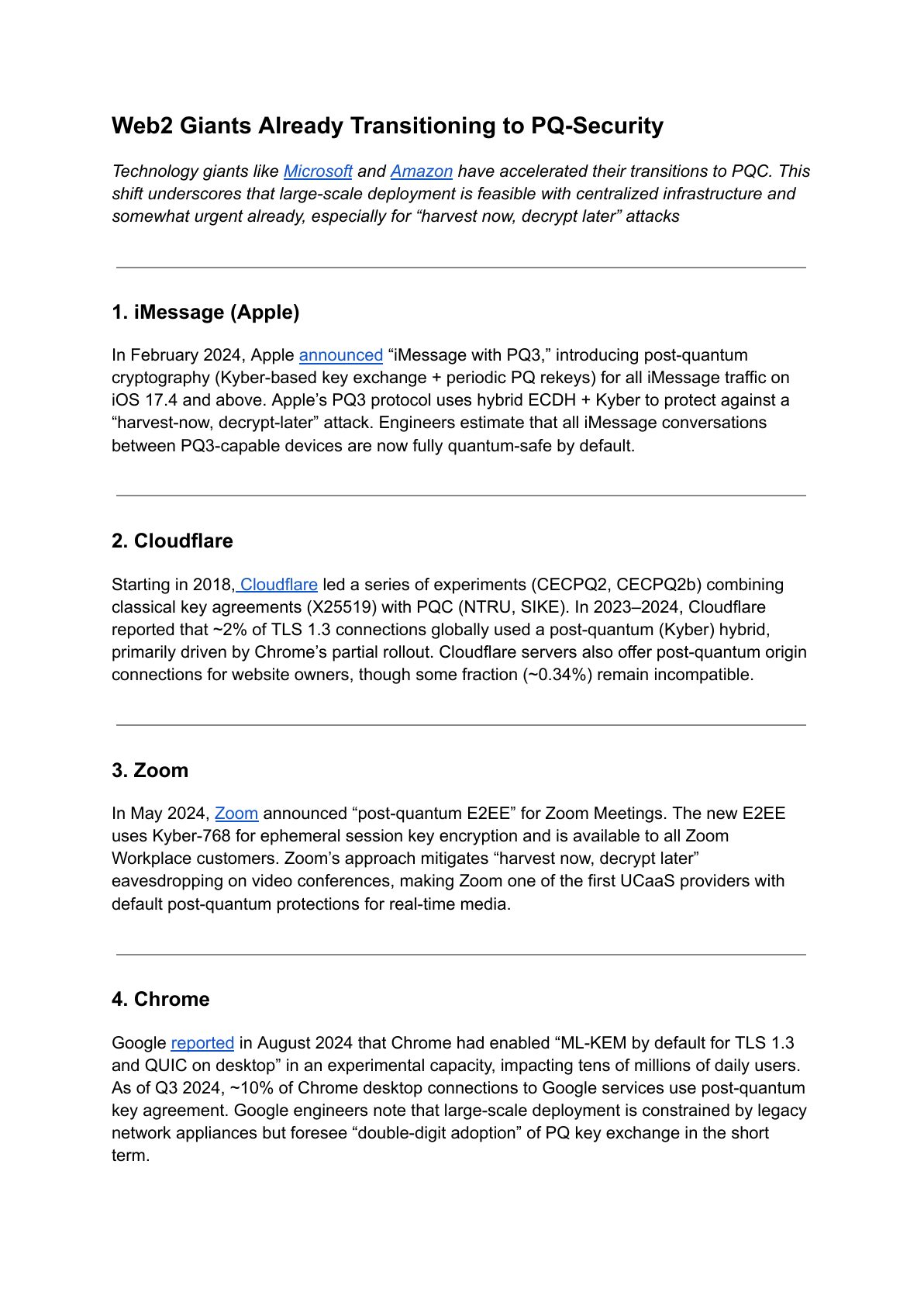
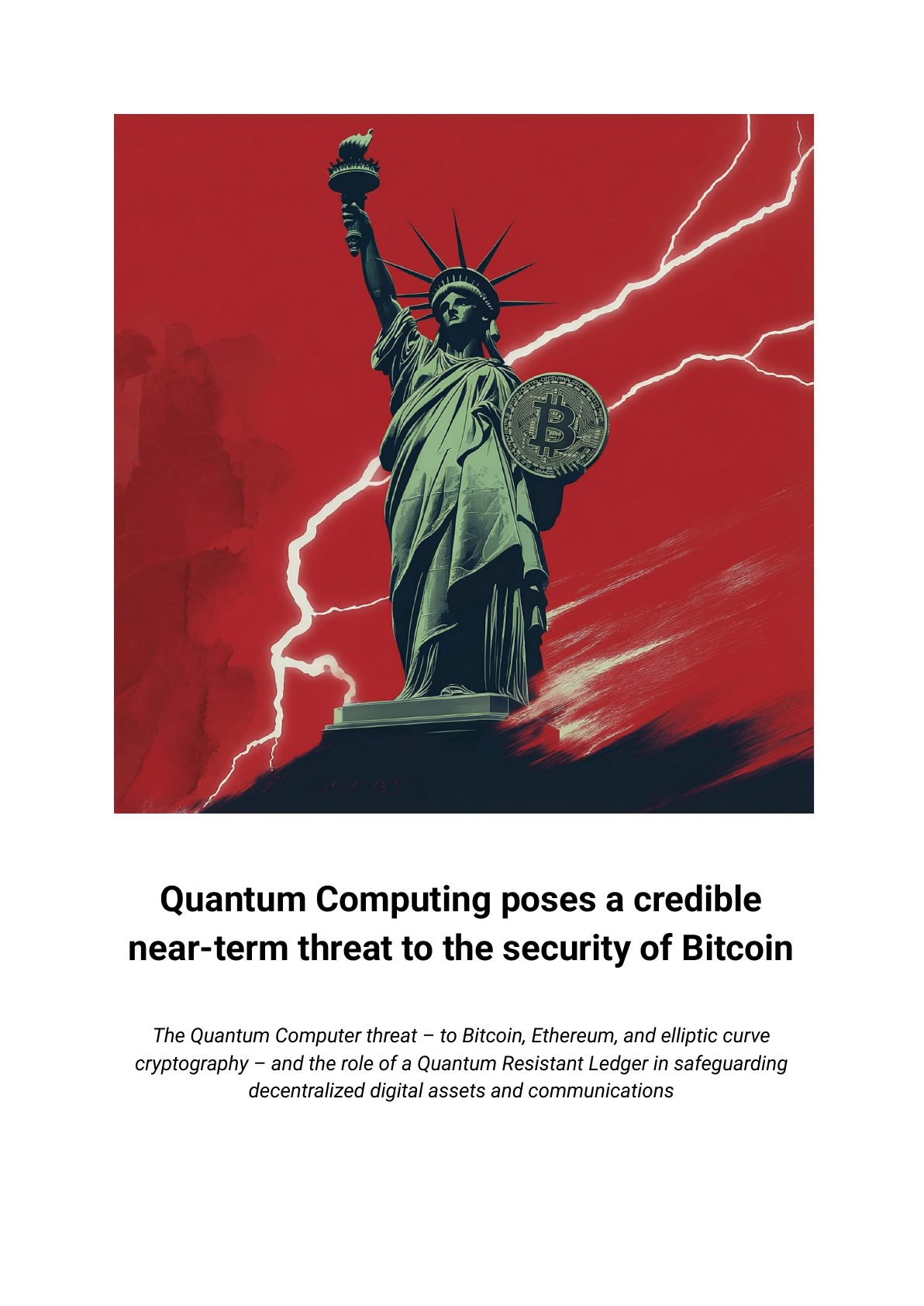
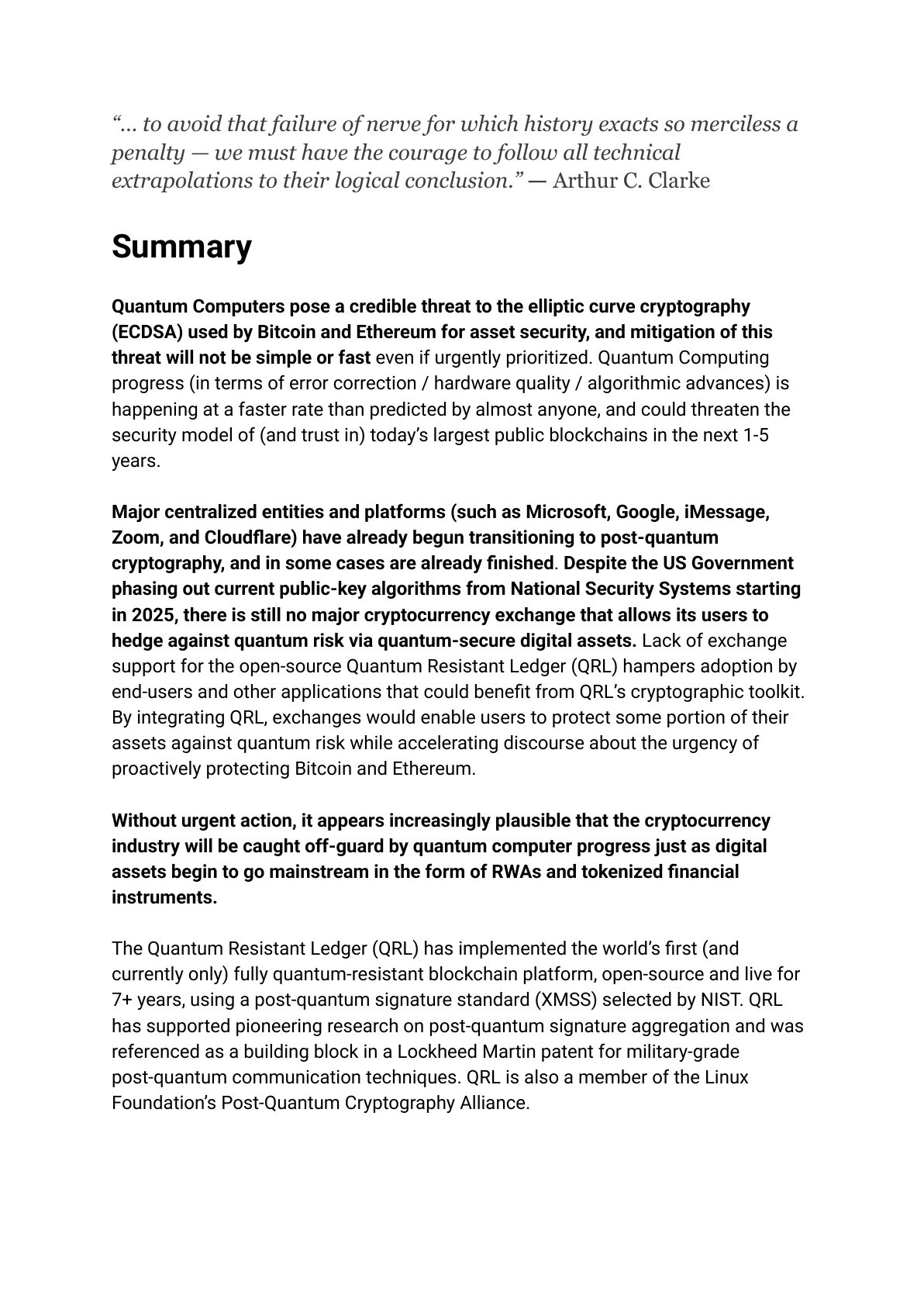
This report argues that the relevant quantum risk for Bitcoin and Ethereum is not SHA-256, but ECDSA: a cryptographically relevant quantum computer running Shor's algorithm could derive private keys from exposed public keys and enable storage or transit attacks.

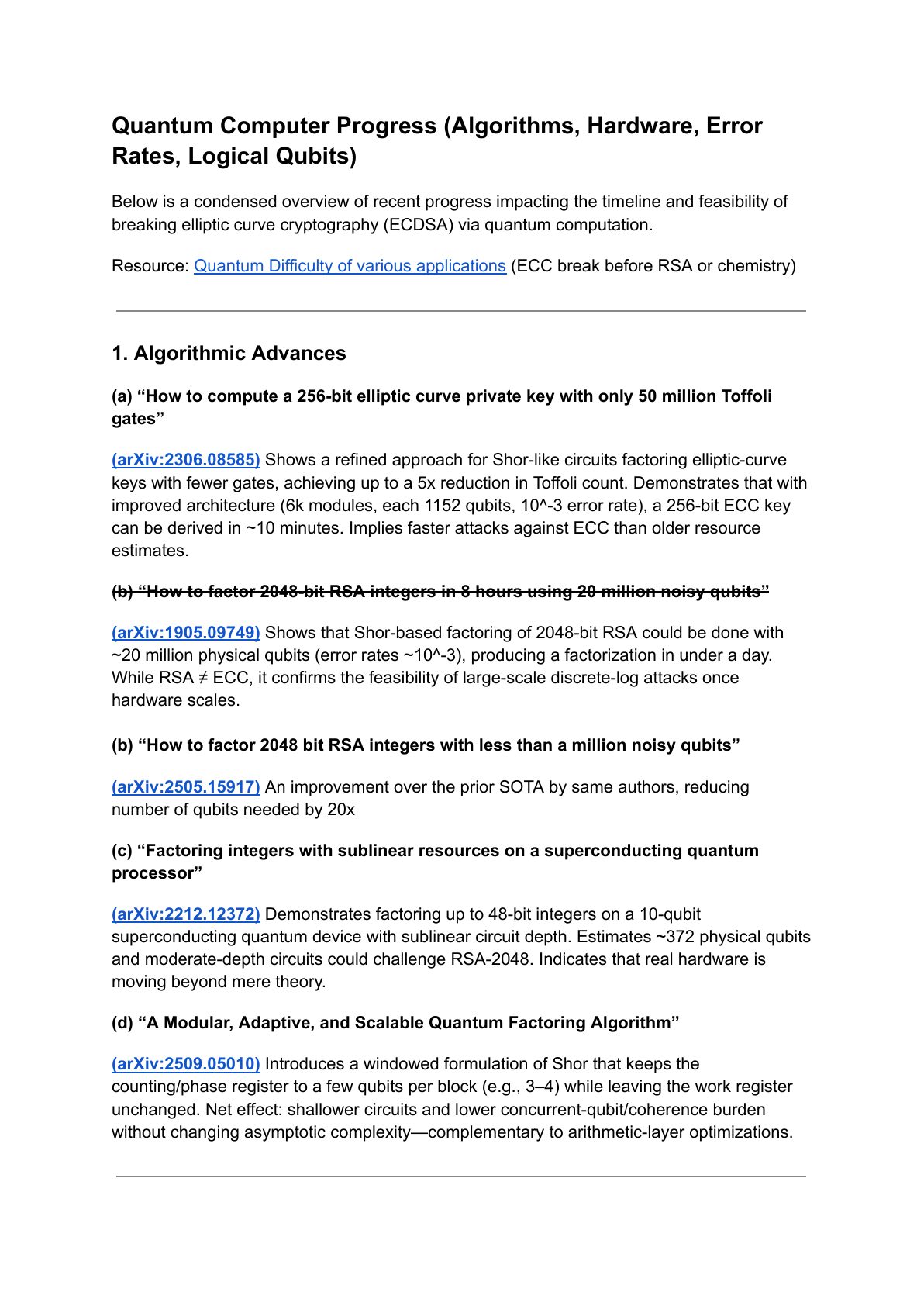
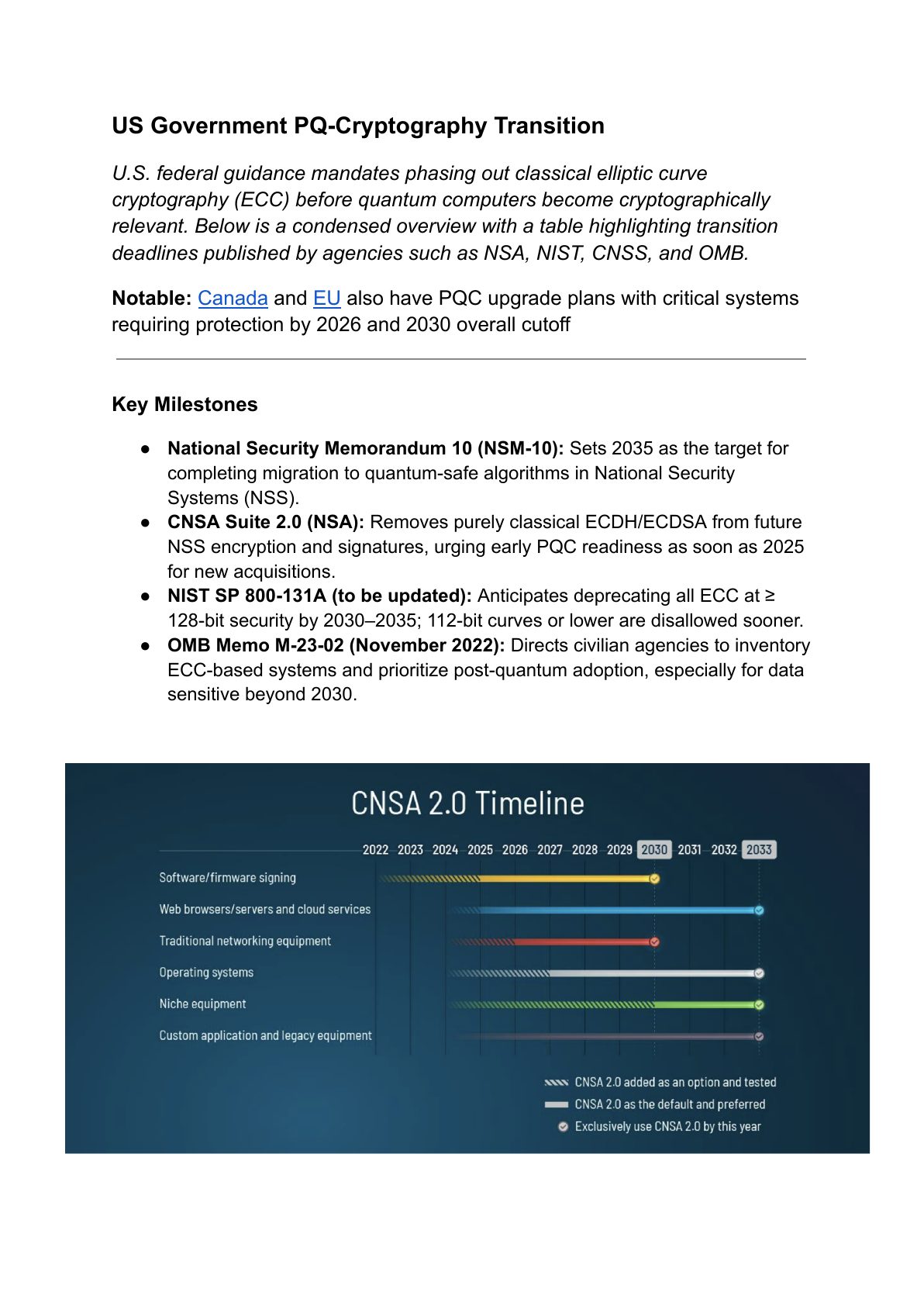
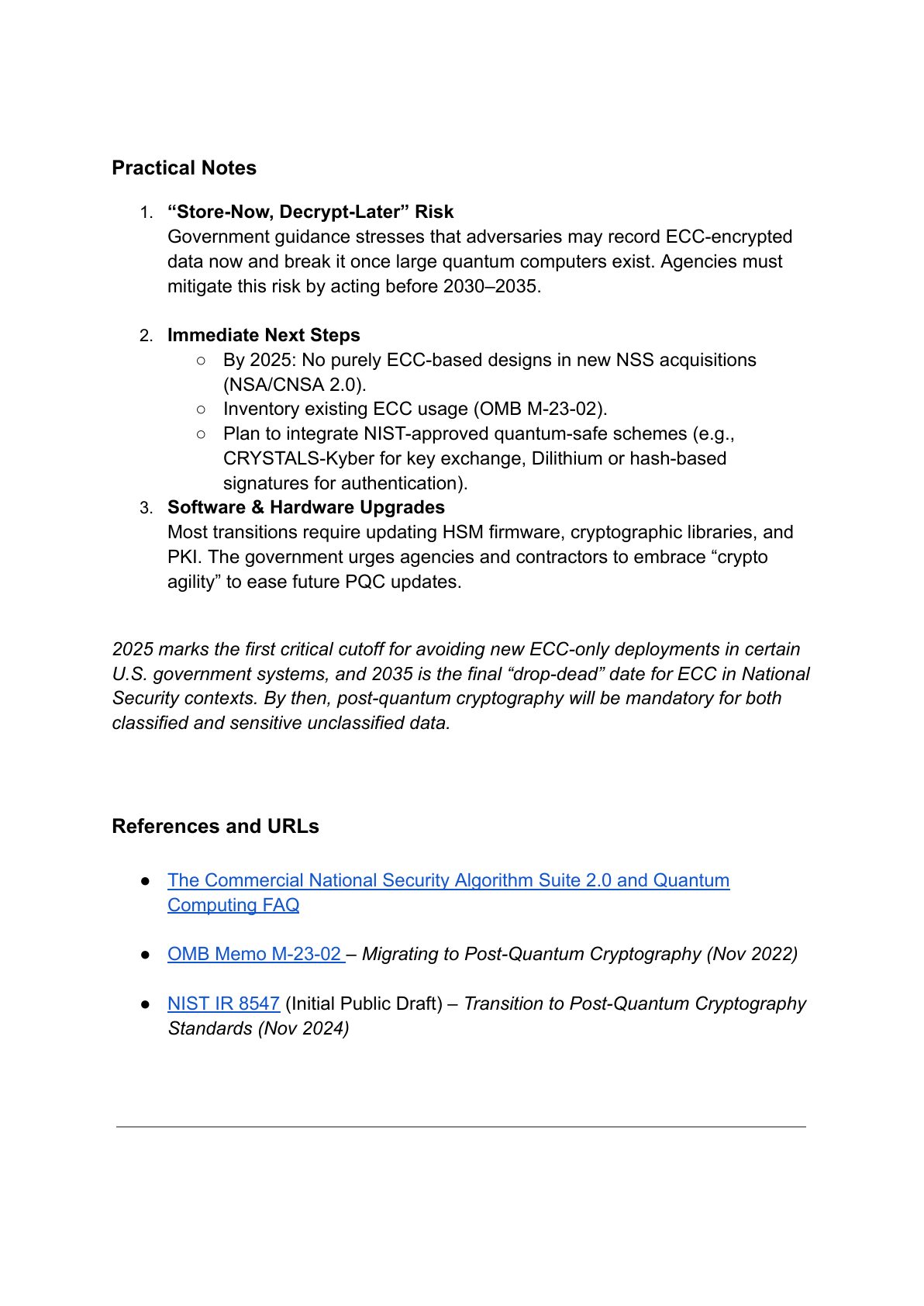
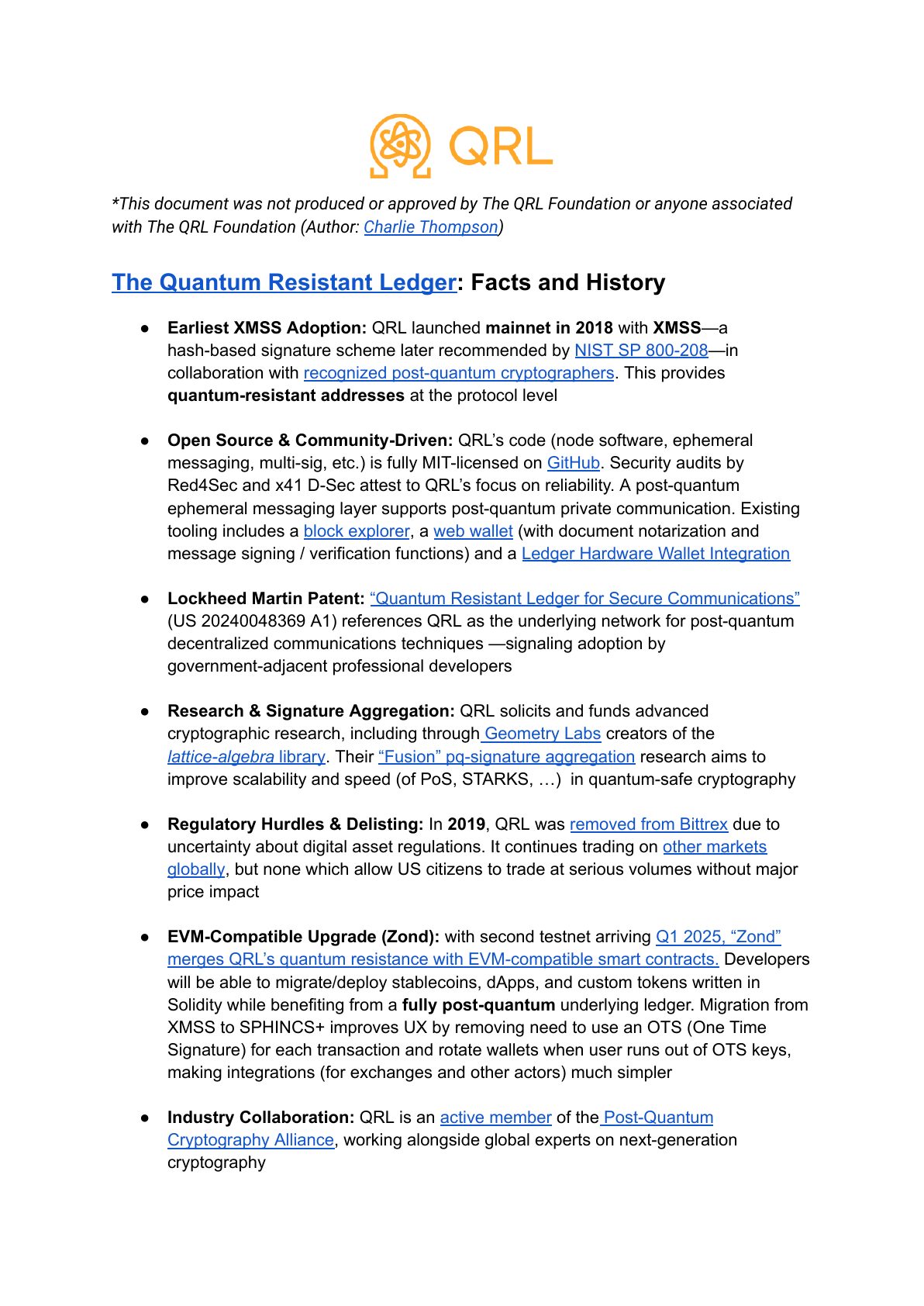
It frames post-quantum migration as a coordination problem across consensus rules, wallets, exchanges, inactive addresses, and user action. It also tracks quantum hardware, error-correction, and algorithmic progress; government and Web2 post-quantum migration; and the Quantum Resistant Ledger as an example of a live quantum-resistant blockchain.
PDF
Quantum Computing and Bitcoin report, page 1 of 13
Page 1 of 13
Quantum Computing and Bitcoin report, page 2 of 13
Page 2 of 13
Quantum Computing and Bitcoin report, page 3 of 13
Page 3 of 13
Quantum Computing and Bitcoin report, page 4 of 13
Page 4 of 13
Quantum Computing and Bitcoin report, page 5 of 13
Page 5 of 13
Quantum Computing and Bitcoin report, page 6 of 13
Page 6 of 13
Quantum Computing and Bitcoin report, page 7 of 13
Page 7 of 13
Quantum Computing and Bitcoin report, page 8 of 13
Page 8 of 13
Quantum Computing and Bitcoin report, page 9 of 13
Page 9 of 13
Quantum Computing and Bitcoin report, page 10 of 13
Page 10 of 13
Quantum Computing and Bitcoin report, page 11 of 13
Page 11 of 13
Quantum Computing and Bitcoin report, page 12 of 13
Page 12 of 13
Quantum Computing and Bitcoin report, page 13 of 13
Page 13 of 13